What is Digital Marketing in 2026?
Think of digital marketing as a giant global conversation that never sleeps. In the past, companies would just shout their names as loud as they could, hoping someone would listen. However, to truly understand the current landscape, we must look at the Digital Marketing Trends 2026 which show us that the internet has become much smarter and more polite. Now, instead of shouting, businesses use special tools and strategies to join the conversation in a way that is actually helpful. It is no longer about just “selling”; it is about building a relationship and being a trusted guide for your customers.
This year, the most important word in marketing is “Trust.” Because there is so much information out there, people are very careful about who they listen to. Google, the world’s biggest search engine, has a special rule called E-E-A-T. This stands for Experience, Expertise, Authoritativeness, and Trustworthiness. Basically, Google wants to make sure that if you are writing about how to fix a bike or how to bake a cake, you actually know what you are talking about. If you want to succeed on the web at Google, you have to show that you are a real expert who cares about the people reading your words.
AI is the New Engine of the Internet

You might have heard of AI, or Artificial Intelligence, like ChatGPT or Google Gemini. In 2026, AI is no longer a “cool new toy.” It is the engine that runs everything. Think of it like the electricity in your house; you don’t always see it, but without it, nothing works. Marketers use AI to do things that would take humans a very long time. For example, if a store has a million customers, an AI can look at what every single person likes and send them a special message that feels like it was written just for them.
Generative Engine Optimization (GEO)
For a long time, we talked about SEO, which stands for Search Engine Optimization. That was the trick to getting your website to show up first on Google. But now, we have GEO, or Generative Engine Optimization. Since many people now ask AI bots for answers instead of just clicking links, businesses have to format their content so the AI can find it and repeat it. This means using clear headings, answering questions directly, and providing facts that the AI can easily verify.
AI Agents: Your Personal Digital Assistants
Another huge shift is the rise of AI Agents. These aren’t just bots you talk to; they are bots that can actually do things for you. Imagine an AI that knows you need new sneakers for gym class. It can search the web, find the best price, check if they are in your size, and even ask you, “Hey, do you want me to buy these for you?” Marketers now have to figure out how to talk to these AI agents so that their products are the ones the agents recommend.
Hyper-Personalization: Marketing Made Just for You

Have you ever noticed that after you look at a certain type of backpack online, you start seeing ads for backpacks everywhere? That is a simple version of personalization. In 2026, we have moved into Hyper-Personalization. This means a website can change its entire look based on who is visiting. If you love sports, the homepage might show you jerseys and balls. If your friend who loves art visits the same site, they might see paints and brushes instead.
This works because companies are getting much better at understanding “intent.” Instead of just knowing what you are looking at, they try to understand why. If you are searching for “how to run faster,” the AI knows you might be training for a race. It won’t just show you shoes; it might show you a video on stretching or a meal plan for athletes. This makes the internet feel much more helpful and less like it’s just trying to sell you things you don’t need.
The End of Cookies and the Rise of Privacy
For a long time, websites used things called “cookies” to follow you around the internet. It was a bit like someone leaving breadcrumbs behind you so they could see where you went. But in 2026, most of those cookies are gone because people want more privacy. People don’t like feeling followed, and they want to know their data is safe. This is a big shift for digital marketing because it means companies have to find new ways to learn about their customers without being “creepy.”
First-Party Data is King
Since they can’t follow you anymore, companies are focusing on First-Party Data. This is information that you choose to give them. For example, if you sign up for a newsletter or join a rewards club at your favorite store, you are giving them permission to know what you like. In exchange, the store gives you something valuable, like a discount or early access to a new game. This creates a relationship based on honesty and “value exchange.”
Contextual Advertising
Instead of following you, marketers are now looking at the context. If you are reading an article about “The Best Parks in London,” a travel agency might show you an ad for a hotel nearby. They don’t need to know your name or your age; they just know that right now, you are interested in London. This is much better for your privacy while still being helpful for the advertiser.
Video Content: From Watching to Doing
If you spend time on TikTok, YouTube, or Instagram, you know that video is everywhere. But in 2026, video isn’t just for watching—it’s for doing. We now have Shoppable Videos. Imagine you are watching a video of someone cooking a delicious pasta dish. With shoppable video, you can tap on the pan they are using or the special spices they mentioned and buy them instantly without ever leaving the video.
Interactive “Enter-trainment”
Brands are also moving toward “Enter-trainment.” This is a mix of entertainment and training (or learning). Instead of a boring commercial, a brand might make a funny mini-series or a game that teaches you how to use their product. By making the experience fun and interactive, people are much more likely to remember the brand and trust what they have to say.
Social Commerce: The New Mall
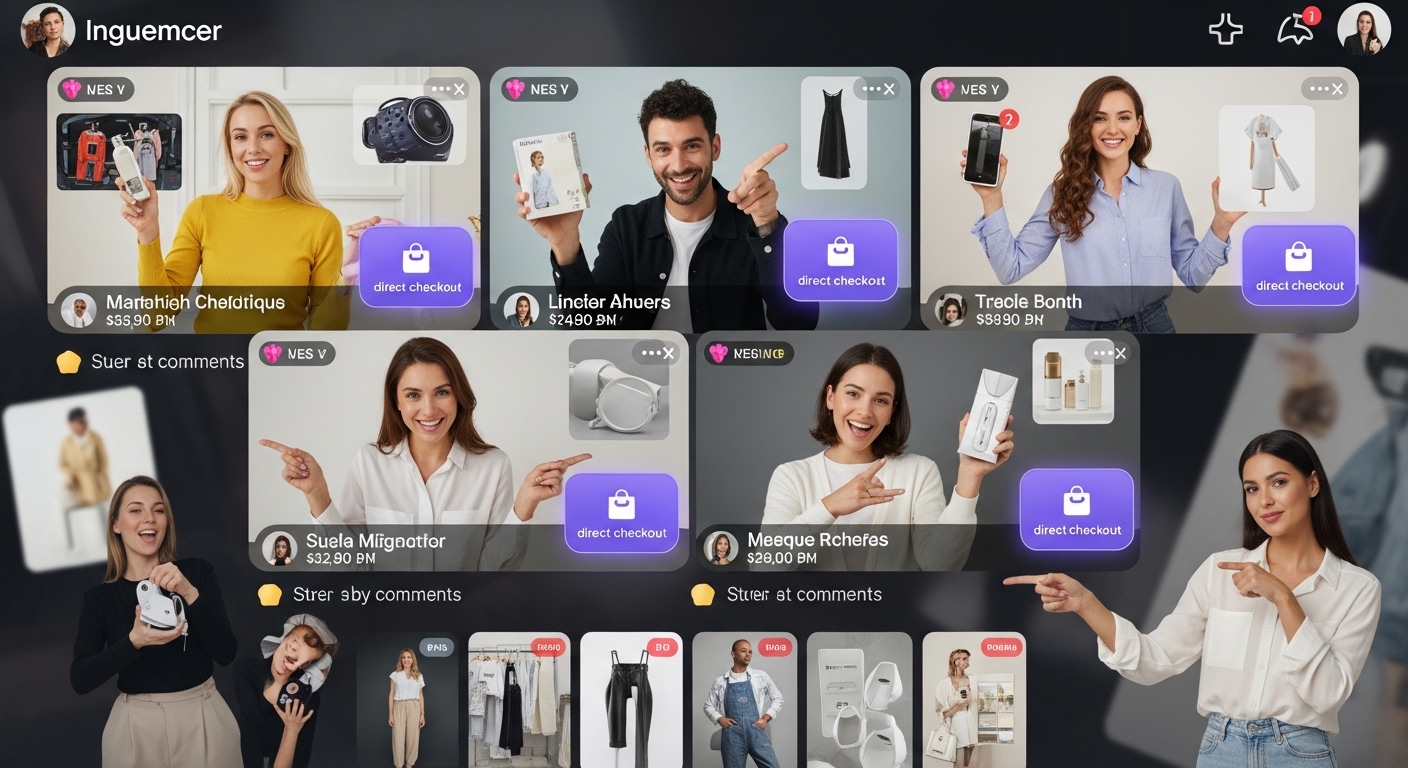
The “mall” isn’t a building you go to anymore; it’s the app on your phone. Social Commerce is when you buy things directly inside social media apps. In 2026, this has become the most popular way to shop. You don’t have to go to a separate website, enter your credit card, and fill out a long form. Everything is connected. You can see a cool gadget in your feed, tap “Buy Now” using your saved info, and it will be at your house in two days.
This is great for small businesses because they don’t need a huge, expensive website to start selling. They just need to create great content that people love. This is why places like Talha Marketing are so important—they help people navigate these new tools and find the best way to reach their customers where they already are.
Voice and Visual Search: Searching Without Typing
In 2026, typing into a search bar is starting to feel “old school.” Many people now use Voice Search to talk to their devices. You might say, “Hey Google, find me a pizza place nearby that has gluten-free options and is open now.” Because we talk differently than we type, marketers have to write their content in a way that sounds natural and conversational.
The Magic of Visual Search
Even cooler is Visual Search. Have you ever seen a cool pair of sunglasses on someone in the park and wondered where they got them? With tools like Google Lens, you can just take a picture, and the internet will tell you exactly what they are and where to buy them. This means that for a business, having high-quality images of your products is more important than ever. If the AI can’t “see” what you are selling, it can’t recommend it to anyone.
Community-Led Growth: Making Fans, Not Just Customers
The final big trend for 2026 is Community-Led Growth. In the past, brands would spend millions of dollars on TV ads to tell everyone how great they were. Today, they realize that people trust other people more than they trust companies. Brands are now focusing on building communities—groups of people who all love the same thing.
When a brand has a strong community, the fans do the marketing for them! They post pictures, answer each other’s questions, and tell their friends how much they love the product. This is much more powerful than any ad. To do this, companies have to be very authentic. They can’t just pretend to care; they have to actually listen to their fans and make them feel like they are part of the team.
Digital Marketing Tools You Need in 2026
To keep up with all these shifts, marketers are using some amazing new tools. Here are a few that are making a big splash this year:
-
Customer Data Platforms (CDPs): These help businesses organize all the “first-party data” we talked about so they can understand their customers better.
-
Predictive Analytics: This tool uses AI to guess what might happen in the future. It can tell a store, “You are probably going to sell out of blue sweaters next week,” so the store can order more ahead of time.
-
Augmented Reality (AR) Filters: These let you “try on” things virtually. You can see how a new lipstick looks on your face or how a new sofa would look in your living room using your phone’s camera.
-
Content Automation Suites: These help creators make videos, images, and articles much faster by helping with the “boring” parts like editing or formatting.
The Importance of Staying Ahead of the Curve

Imagine you are trying to use an old, dusty map to find a brand-new park that was just built yesterday. You would probably get lost because the old map doesn’t show the new roads! This is exactly why keeping a close eye on Digital Marketing Trends 2026 is so important for anyone who wants to be successful online.
The internet is like a living thing that grows and changes every single day. If you keep using old tricks while everyone else is using new, faster tools, you might find it hard to reach your friends or customers. By learning about these shifts now, you are basically updating your “digital map” so you can find the best path to success without getting frustrated.
When you understand Digital Marketing Trends 2026, you aren’t just learning about computers; you are learning how to be a better helper to people. Whether you are sharing a cool project on Talha Marketing or helping a local business in your neighborhood, these trends give you the power to speak in a way that people actually want to listen to. It is all about being prepared for the future so that when things change, you are already one step ahead, ready to lead the way with confidence and creativity.
How to Stay Ahead: Tips for the Future
If you want to be a great digital marketer in 2026, here is the secret recipe:
-
Always Be Learning: The internet changes every single day. If you stop learning, you will get left behind.
-
Be Human: Even though we use a lot of AI, people still want to connect with other people. Use your own voice and share real stories.
-
Focus on Value: Don’t just try to sell. Try to help. If you provide value, the sales will come naturally.
-
Protect Privacy: Treat your customers’ data like it’s your own. Be honest about how you use it.
The future of digital marketing is exciting because it is becoming more about people and less about machines. By using the right tools and keeping the focus on trust and helpfulness, anyone can succeed in this new digital world. Whether you are a student learning the ropes or a business owner looking to grow, remember that the best marketing doesn’t feel like marketing at all—it feels like a helping hand.