Introduction to Google E-E-A-T and Why It Matters
Google E-E-A-T, so, stands for Experience, Expertise, Authoritativeness, and Trust, and that simple group of ideas basically shapes how Google decides which pages show up first. These four signals are, in a way, like a background check for your website, making sure the information feels real and safe. Many site owners, you know, focus almost entirely on keywords and backlinks, yet they often forget that quality and trust actually carry serious weight. Ignoring Google E-E-A-T might not hurt you overnight, but over time it can quietly weaken your site’s reach and visibility.
If you want your website on google or any other platform to grow in a steady and stable way, you really need to understand what happens when these ideas get pushed aside. In this article, we will, in fact, break down the major downsides of ignoring Google E-E-A-T in very plain language. The goal is to explain it so clearly that even a middle school student could follow along without getting lost.
1. Lower Search Engine Rankings

One of the clearest drawbacks of ignoring Google E-E-A-T is, basically, losing your spot in search results. Google wants to show people content that feels safe and dependable, not pages that look rushed or shallow. If your site does not show real-world experience or clear knowledge, it can slowly slide down the results page.
For example, think about two websites talking about the same health problem. One site shows the writer’s medical background and links to research papers. The other site has no author listed and no sources mentioned at all. Google will, naturally, feel more comfortable ranking the first site higher. If your content lacks proof of experience or solid facts, it becomes much harder to compete, especially in busy industries where many sites are fighting for attention.
Over time, lower rankings mean fewer clicks. Fewer clicks mean less traffic. And less traffic, in short, often leads to fewer sales or leads.
2. Loss of User Trust
Trust is, honestly, everything online. When people land on your page, they look for small signals that show your information is real and safe. They might check for an author name, a contact page, or signs that your site is secure.
If those signals are missing, visitors may leave within seconds. Ignoring Google E-E-A-T can make your website look questionable or poorly managed. People may assume the content is copied or not carefully researched. Once trust is broken, it is very hard to rebuild.
As a matter of fact, people tend to remember bad online experiences much longer than good ones. If someone feels misled, they may never return. They might even warn others about your site.
3. Poor Performance in YMYL Niches
YMYL means “Your Money or Your Life,” and that label, basically, covers topics like health, finance, safety, and legal advice. These subjects can directly affect a person’s well-being.
Google applies much stricter standards to these areas. If you ignore E-E-A-T in YMYL niches, your content may struggle to rank at all. For instance, if you publish financial advice without showing qualifications or linking to trusted data, Google might view your page as risky.
Even if your writing style is clear and smooth, it may not matter. Without proof of knowledge and experience, your traffic could stay low for a long time.
4. Higher Risk of Algorithm Penalties
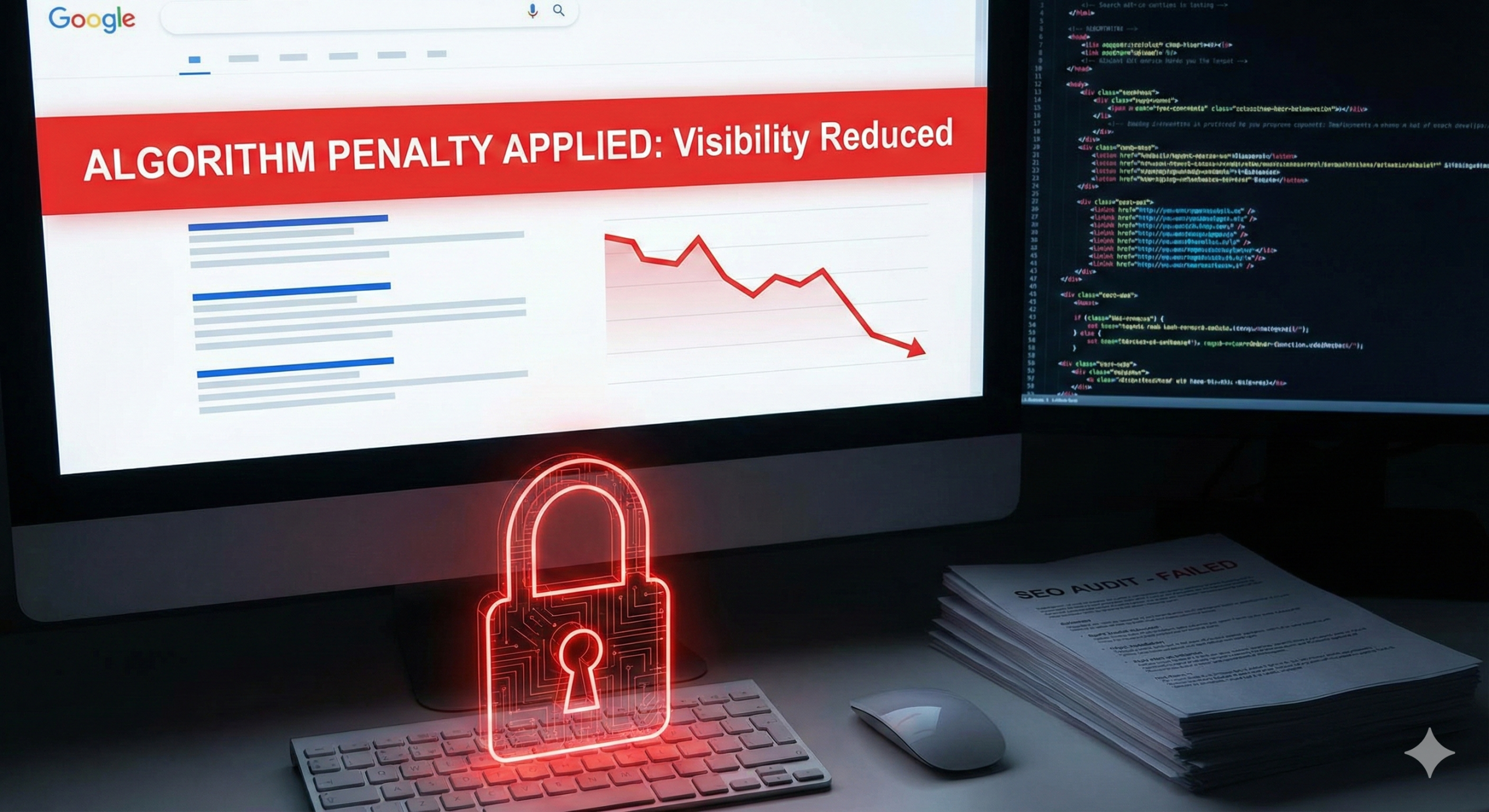
Google updates its ranking system regularly, and these updates often target low-quality content. Websites that rely on shortcuts instead of real value can lose traffic overnight.
If your site lacks strong E-E-A-T signals, it becomes more exposed to ranking drops after updates. A page that once ranked well might suddenly disappear from the first page. Recovering from such a fall can take months of work.
Some businesses, in fact, never fully recover after a major traffic loss. They may need to rebuild content, update pages, and work hard to regain trust.
5. Increased Bounce Rate

Bounce rate shows how quickly users leave your page after arriving. If visitors feel unsure about your information, they will leave fast. Ignoring Google E-E-A-T often leads to content that feels thin or unclear.
When people cannot find proof of credibility, they look elsewhere. High bounce rates send signals to Google that users are not satisfied. That can further reduce your rankings.
This creates a cycle where poor trust leads to quick exits, and quick exits lead to even lower visibility.
6. Damage to Brand Reputation
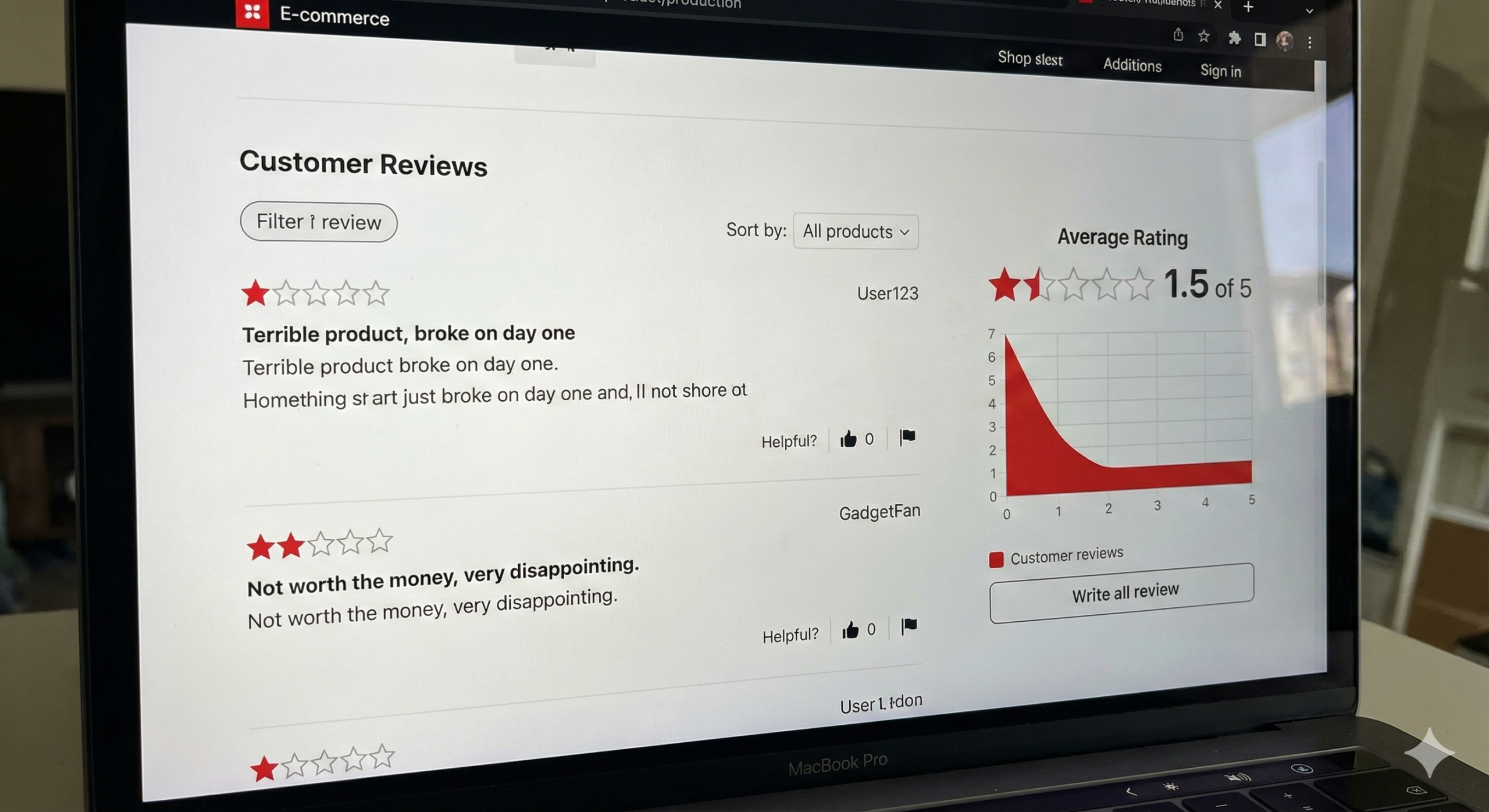
Your website, in a way, is the public face of your brand. If you publish content without careful research or genuine insight, your brand image can suffer.
Online reputation spreads quickly through comments and social platforms. If someone shares your article and others spot errors, your credibility may drop.
Rebuilding a damaged name takes time and consistent effort. It usually involves correcting mistakes, updating content, and being transparent with your audience.
Ignoring Google E-E-A-T is like building a house on weak ground. It might stand for a while, yet cracks can start showing when pressure increases.
7. Fewer Backlink Opportunities
Backlinks are, basically, recommendations from other websites. High-quality sites prefer linking to sources they trust.
If your content does not show clear expertise or proof, other site owners may hesitate to link to you. Without backlinks, your authority grows slowly.
Backlinks work like votes. The more trusted votes you earn, the stronger your site appears in Google’s eyes. Ignoring E-E-A-T reduces your chances of earning these valuable links.
8. Weak Conversion Rates
Conversions happen when visitors take action, such as making a purchase or filling out a form. Trust strongly affects these decisions.
If your website looks unprofessional or unclear, users may hesitate to share personal details. For example, if your site lacks HTTPS security or clear refund policies, customers might abandon their cart.
Ignoring E-E-A-T can lower your sales, even if your traffic seems decent. People want to feel safe before spending money.
9. Spreading Misinformation
Without proper fact-checking and real expertise, content can include incorrect details. In health or finance topics, that can cause serious harm.
Google tries to reduce false information online. If your website repeatedly publishes wrong facts, its visibility can drop.
Reviewing and updating content regularly helps prevent this issue. Accuracy builds long-term trust.
10. Overdependence on AI Without Human Review
Many websites use AI tools to produce articles quickly. AI can help with drafts, yet it does not have personal experience.
If you rely fully on automated content without editing, mistakes can slip through. Readers may notice unclear explanations or outdated facts.
Human review adds context and real understanding. Ignoring that step weakens your E-E-A-T signals.
11. Lack of Long-Term SEO Stability
Sites that ignore E-E-A-T often chase short-term gains. These tactics might bring quick traffic spikes, but they rarely last.
Algorithm updates can remove that traffic suddenly. A strong foundation built on experience and trust creates more stable growth.
Businesses that depend on steady online visibility need that stability.
12. Negative User Reviews and Feedback
Users leave comments and reviews when they feel strongly about something. If they feel misled, they may post negative feedback.
Public criticism can affect how new visitors see your brand. Potential customers often read reviews before making decisions.
A few negative comments about inaccurate information can reduce confidence quickly.
13. Reduced Authority in Your Industry
Authority builds slowly through consistent, reliable content. Ignoring Google E-E-A-T limits your ability to become a respected voice.
Industry leaders are more likely to collaborate with sites that show real knowledge. Without that proof, partnership chances shrink.
Becoming known as a trusted source opens many doors.
14. Missed Opportunities for Growth
Strong E-E-A-T can attract media mentions and speaking opportunities. Journalists often look for credible experts when writing stories.
If your site clearly shows experience and qualifications, you have a better chance of being quoted. Without those signals, you may be overlooked.
Growth often comes from visibility and trust working together.
15. Difficulty Competing in Competitive Niches
In crowded industries, small differences matter. If your competitors highlight their experience and you do not, they will likely rank higher.
Even if your article length and keywords match theirs, stronger trust signals can tip the scale in their favor.
Ignoring E-E-A-T puts you at a disadvantage from the start.
Practical Example of Ignoring Google E-E-A-T
Imagine a health blog that posts advice but never lists the writer’s name. The articles include no links to research. The website does not use secure encryption.
At first, the blog might gain some visitors through social media. Over time, rankings begin to fall. Users leave quickly. Comments question the accuracy of the advice.
Traffic slowly drops. The site owner struggles to regain lost visibility. This shows how small weaknesses can grow into major problems.
How to Avoid These Disadvantages
To avoid these issues, focus on transparency and clarity. Add author bios with real background details. Update articles regularly and check facts carefully.
Use secure website technology and display contact information clearly. Share real experiences where relevant.
Review AI-generated drafts before publishing. Build relationships with trusted websites to earn quality backlinks.
These steps help protect your site and support steady growth.
Final Thoughts on the Risks of Ignoring Google E-E-A-T
Ignoring Google E-E-A-T might seem harmless in the short term, yet the long-term effects can be serious. Lower rankings, lost trust, reduced traffic, and brand damage are real risks.
Building experience, expertise, authority, and trust takes time. Still, that effort creates a stable and reliable online presence. A strong foundation supports lasting success and helps your website grow in a steady, dependable way.