


Why Web Development Services Matters in 2025
ok, so in a way, 2025 kind of feels like this moment where everything, you know, moves a bit faster online. And students in class 8 can pretty much see it too, because every other shop, brand, or person seems to show their stuff on the internet. And as I was saying, people in Pakistan usually check a business on their phone before they even think about buying anything. So, a website tends to be this little digital home where a business explains who they are, what they sell, and why people should trust them.
Now, the interesting part is that a website more or less works all the time, even when the shop is shut. So, in a way, that makes it super useful for anyone who wants to grow their work in 2025. And, honestly, many businesses in Pakistan now start online first and then think about a physical shop later. So, websites slowly become the place where their whole work sits.
The rise of digital-first businesses in Pakistan
ok finally, you might have noticed how students, teachers, shopkeepers, and pretty much everyone uses the internet very heavily now. And, as a matter of fact, businesses in Pakistan tend to be moving the same way. A lot of new brands begin online before they ever rent a space. It might be a clothing page, a home-based bakery, a mobile accessories store, or even tuition classes.
In short, these businesses usually need a place where people can check them any time, and a website is that place. A little Instagram page might work for a bit, but a proper website makes the business look more real and more trusted.
Why every business needs a professional website
ok, so a business more or less needs a website because people like clear information. If someone hears your business name, they usually search it on Google. When they don’t find anything, the whole thing feels a bit doubtful. But when a simple, neat website shows up with details, pictures, prices, and contact info, it builds trust.
Anyway, students can think of it like this: If your school had no website, parents might feel unsure about admissions, rules, fees, or teachers. Pretty much the same thing happens with every business today.
Websites as 24/7 marketing and sales tools
ok, so a website actually works day and night, even when you sleep. It almost acts like a little salesperson that never stops. It shows your products, answers questions, shares your number, and guides people on what to do next.
For example, a bakery website can show today’s cakes, deals, and delivery options at 3 a.m. too. A student who wants notes or practice quizzes can download them any time if the school website has those things.
So, in short, the website keeps helping without needing any break.
How a well-built website increases conversions & trust
ok, so when a website looks clean, loads quickly, and explains things in a simple way, people feel confident. A slow or messy website does the opposite and makes people leave.
For instance, imagine you want to buy a backpack online. If the website opens slowly or the pictures look weird, you usually close it quickly. But if everything looks neat, you typically stay longer and maybe buy something too.
So, a good website helps a business get more customers and helps customers feel safe.
What Are Web Development Services? — Simple Definition
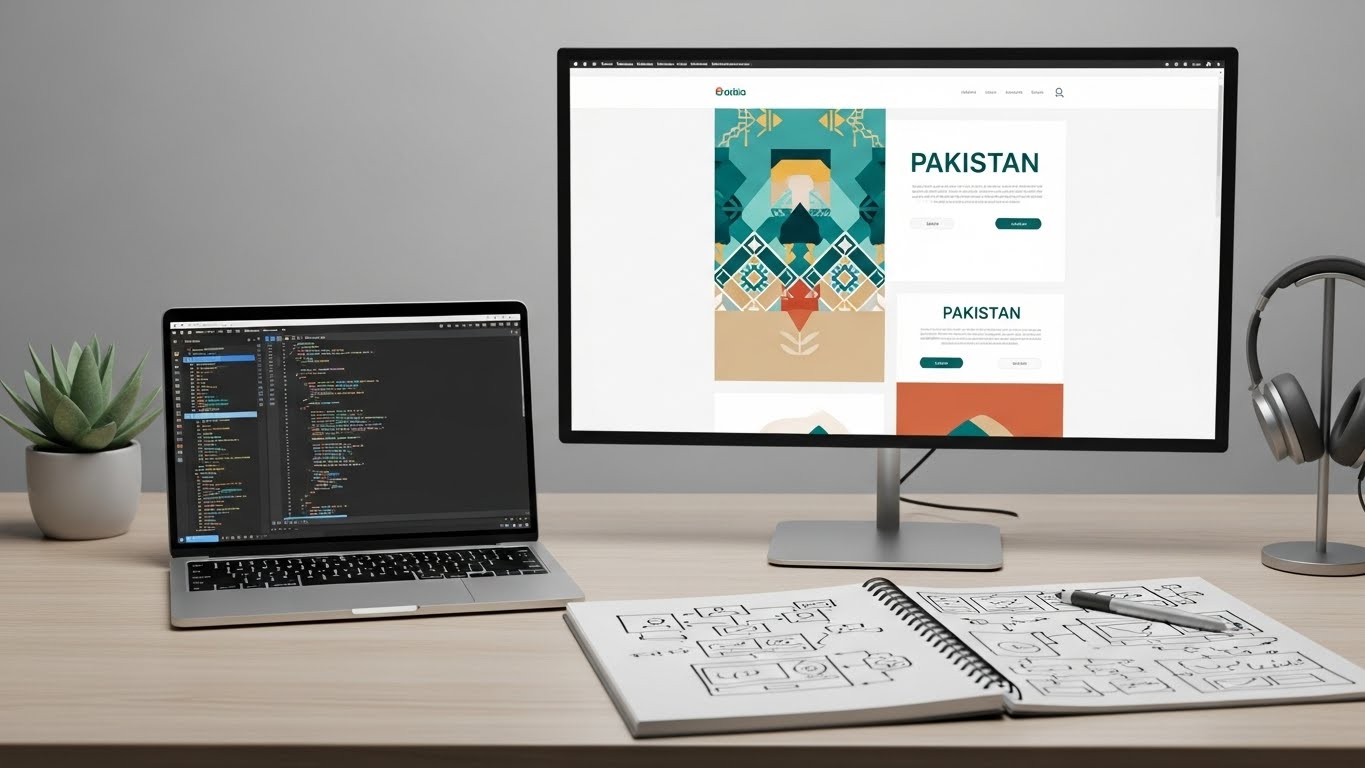
ok now, in a bit of a simple way, web development services basically mean building a website from start to finish. It covers everything—from planning, designing, writing code, making pages, testing, fixing issues, and then putting the whole site online.
So, in some respects, web development is like making a school project. You plan first, then design it, then write it, then check for mistakes, and then submit it.
Meaning of website development
Website development, as a matter of fact, means creating all the parts that make a website work. It includes making buttons clickable, making forms send data, making pages load, and connecting everything properly.
Website design vs website development
ok, so many students mix these two. Design is how a website looks—colors, layout, pictures, text style. Development is how the website works—coding, speed, features, and functions.
You can think of design like drawing your class project, and development like building it with glue, paper, and tools.
How website development works
ok now, a full website usually passes through a few steps one after another.
Planning & research
This is the part where the developer tries to understand what the website should include. It’s a bit like deciding what you want to write in your school assignment.
UI/UX design
Here the developer or designer creates the look of the website. It’s like drawing neat diagrams or making charts in your notebook.
Front-end development
This is where the visible part of the website comes to life. Buttons, menus, pictures, colors—all happen here.
Back-end development
This part works behind the scenes. It stores data, manages user accounts, and connects different features. Students can imagine it like the storage cabinet behind the teacher’s desk where everything important stays.
Testing & launch
After making everything, the developer checks the site for errors, fixes problems, and then uploads it online so everyone can use it.
Types of Website Development Services
ok, so in a way, website development sits like a big subject, and inside it, you’ve got different parts or types. And each type usually helps a different kind of business. For example, a small bakery needs a simple website, yet a big company often needs something a bit stronger with more features. So, in short, these types help us understand what kind of website fits what kind of need.
Business website development
This type, as I was saying, tends to be the most common one. A business website usually shows your services, your contact info, your work samples, and a little bit about who you are. It’s rather like a student making a neat file that shows their assignments, achievements, and class details.
In a way, business websites keep things simple so customers can check everything without confusion.
E-commerce website development
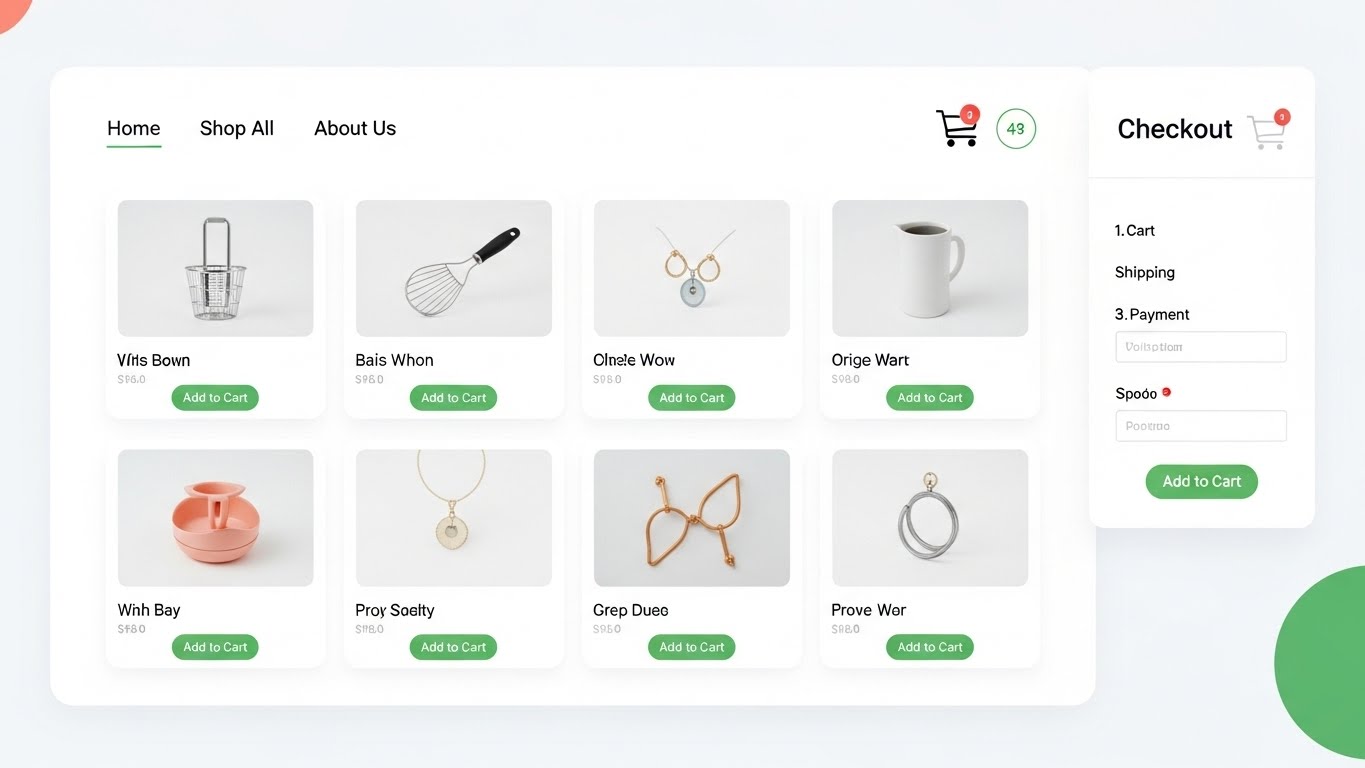
ok, so these are websites where people can actually buy things. You might’ve seen stores online where you add things to a cart, enter your details, and complete the order. That whole thing is an e-commerce system.
It usually includes product pages, pictures, reviews, checkout, online payments, and delivery options. Students can compare it to having a school tuck shop, but online, open all the time, and able to show every item clearly.
Custom website development
ok finally, sometimes businesses need features that normal websites don’t have. So developers create a custom website that fits their exact needs. For example, a transport company might want a booking system, or a coaching center might want online tests.
Custom websites, in some respects, are like custom-made uniforms—made a little differently depending on what’s required.
Portfolio and personal websites
These websites are usually built for individuals—photographers, writers, designers, teachers, or even students. They show your work or your achievements in a clean way.
It’s a bit like having a digital notebook where you keep your best drawings, essays, or projects so others can view them anytime.
Enterprise-level web applications
ok now, these are bigger systems that large companies use to manage everything. They’re slightly more complex because they often control many parts of a company—sales, customers, employees, stock, reports, and all that.
It’s almost like the school’s full computer system where teachers enter marks, attendance, and timetables.
CRM development
A CRM is a Customer Relationship Management system. It helps businesses store customer information, check orders, send reminders, and track sales.
In short, it’s like a teacher’s register where all student details stay in one place.
ERP systems
ERP stands for Enterprise Resource Planning. This is a bigger system that connects everything—accounts, stock, staff, sales, and projects.
It’s a little similar to having attendance records, exam records, teacher notes, fee charts, and parent reports all inside one giant file.
Web Design and Development Services — Full Breakdown

ok, so this part explains the things included in web design and development. It more or less covers everything that makes a website look good and work smoothly.
UI/UX design
UI means user interface and UX means user experience. UI deals with the layout and visuals, while UX deals with how easy the website feels to use. It’s like designing your notebook so the cover looks nice (UI) and the inside pages are easy to read (UX).
Responsive design (mobile, tablet, widescreen)
ok, so most people check websites on phones now. So developers make websites that adjust their size automatically depending on the device. It’s kind of like folding a paper to fit into any file size—small or big.
Landing page design
This is a special page that focuses on one thing—like a product, service, or offer. In many cases, it’s used for advertising campaigns. It’s like making a single, neat chart for a school project topic instead of a whole notebook.
Website redesign services
ok, so sometimes an old website starts looking dull, slow, or confusing. Website redesign updates the whole thing so it feels fresh. It’s a bit like rewriting a messy notebook so it looks cleaner and easier to read.
Speed optimization
This means making the website load faster. Students can compare it to sharpening a pencil properly so writing feels smoother.
SEO optimization
SEO helps a website appear higher in Google results. It’s like turning in a neat, well-written assignment so the teacher finds it easier to check.
Content development
This includes writing clear text for pages, product descriptions, blogs, and guides. In a way, it’s the storytelling part of a site, helping visitors understand things easily.
Technologies Used in Modern Web Development
ok, so now we get into the part that talks about the tools and coding things used to make websites. And, honestly, even though these names might look a bit big, the ideas behind them are pretty simple. You can think of them like art tools—some tools help you draw lines, some help you color, and some help you stick everything together.
In the same way, web technologies help build different parts of a website so everything works smoothly.
Front-end technologies
ok, so the front-end is the part of a website that you can actually see. Buttons, pictures, colors, text—everything you click or read sits in the front-end. Think of it like the front cover and inside pages of your school notebook. You don’t really see the glue holding it together, but you do see the writing and diagrams.
Front-end developers usually use three main tools here.
HTML
HTML is the basic structure of a webpage. It’s more or less like the skeleton of a human body—the shape is there because HTML holds it all together. Every heading, paragraph, image, or table you see usually starts with HTML.
CSS
CSS is what makes the website look nice. Colors, spacing, styles, borders—CSS does all that. In a way, it’s similar to coloring your project chart to make it look neat and more interesting.
JavaScript frameworks (React, Vue, Angular)
ok, so JavaScript is the part that adds movement and action. Without JavaScript, a website feels frozen. But with it, menus open, sliders move, forms validate, and pages feel alive.
Frameworks like React, Vue, and Angular are like ready-made toolkits that help developers build things faster and more easily.
Back-end technologies
ok now, the back-end is the hidden area behind the website. It stores data, handles user accounts, controls the system, and processes information. It’s kind of like the teacher’s staff room—you don’t always see it, but important things happen there.
PHP
PHP is a coding language used for back-end work. It might be old, yet many famous websites still use it because it’s simple and works reliably.
Laravel
Laravel is a PHP framework. It helps developers write back-end code more quickly and safely. It’s like having a special notebook with pre-drawn lines so your writing stays neat.
Node.js
Node.js lets developers write back-end code using JavaScript. It’s a bit like using the same pencil to write both your notes and your homework—easy and convenient.
Python & Django
Python is a coding language that feels simple, and Django is its web framework. These are often used for bigger systems, like data dashboards or apps that handle lots of information. Students can think of it like using a stronger, thicker paper for important projects.
CMS platforms
CMS means Content Management System. These platforms help you make websites without needing too much coding. They’re like digital building blocks—you drag, drop, edit, and publish.
WordPress
WordPress is the most common CMS. It’s simple, flexible, and has thousands of themes and plugins. Many business websites in Pakistan use it because it’s easy to update.
Shopify
Shopify is mostly used for e-commerce stores. It gives ready-made designs, payment systems, and product management. It’s almost like a digital shop board where you can change things anytime.
Wix
Wix is a drag-and-drop builder. You move elements around like stickers on a notebook page. It’s used for portfolios, small business sites, or simple personal websites.
Custom Website Development Services
ok, so this part explains the stuff made especially for businesses that need something more than a normal website. Sometimes the basic features don’t fit, so developers create custom tools that match the business completely.
Tailored features & solutions
ok, so custom features help a business solve very specific problems. For example, a school might want an online homework system, or a clinic might want appointment booking. These things are built exactly how the business wants them.
It’s a bit like sewing a uniform that fits you perfectly instead of buying a random size.
Scalable and secure websites
Scalable means the website can grow as the business grows. Secure means the website protects user data and stops attacks. Students can imagine it like a cupboard that gets bigger when you buy more books and has a lock to keep your things safe.
API integration
ok, so APIs let one system talk to another. For example, a shop website can connect with a payment company, or a delivery service. It’s like two classmates sharing notes through a messenger.
Custom dashboards, portals & apps
These are extra systems built for special tasks. A dashboard shows stats. A portal lets users log in. A custom app adds more features.
It’s pretty much like having a personal diary, a class register, and a timetable—all arranged in different sections.
Why Hire a Professional Website Development Company?
ok, so in a way, many people try making websites on their own, yet most businesses still pick a proper company for the job. The main reason is that a professional team usually builds a site that works better, loads faster, looks cleaner, and stays safe. It’s similar to asking an expert teacher to check your project instead of doing everything in a hurry by yourself.
A company typically has designers, developers, content writers, and testers working together, so the final website feels more complete and easier for visitors to use.
Quality coding & long-term performance
ok, so good coding is like writing notes in a clear, neat way that everyone understands. When developers write clean code, the website tends to run smoothly for years. It doesn’t break easily, and updates become simple.
If the code is messy, the site usually feels slow or errors start showing up. So quality coding helps businesses avoid problems later.
SEO-friendly website structure
SEO-friendly structure means the website is arranged in a way that Google can read it properly. It’s a bit like submitting homework that follows the teacher’s pattern—title on top, answers neat, and everything in order. Google likes websites that stay organized, so it places them higher in search results.
Security features & malware protection
ok, so websites need protection too. Hackers sometimes try entering websites to steal information or damage pages. A professional company usually adds the right security tools, updates, and monitoring so the site stays safe.
It’s pretty much like having a lock on your school cupboard that keeps your books from getting touched.
Faster loading speed
A professional team typically knows how to make a site load quickly. Slow websites make visitors leave almost instantly. Fast websites help people stay longer and read more.
It’s similar to how students prefer teachers who explain things clearly and quickly instead of dragging everything slowly.
Conversion-focused design
ok now, conversion means turning visitors into buyers, callers, or leads. A company usually designs the website in a way that helps visitors take action.
It might be buying a product, filling a form, or calling the number. A clean design usually guides the visitor step by step.
CTA placement
CTA means Call-To-Action. It’s a button or link that tells people what to do next—like Buy Now, Call Us, Get Quote, or Sign Up. A company places CTAs at smart spots so visitors don’t get confused.
It’s like a teacher adding arrows or labels in a diagram to guide your eyes.
Landing page optimization
ok, so landing pages often bring in customers from ads. A company adjusts the layout, text, images, and buttons so visitors feel comfortable and take action. It’s a bit like rearranging your desk so everything you need stays close and easy to use.
Website Development in Pakistan — Market Overview
ok, so the IT field in Pakistan grows slightly more every year. More students learn coding, more companies start working online, and more businesses shift to websites instead of only depending on shops.
Pakistan is slowly becoming a place where international clients hire developers because the skills are strong and the prices are reasonable.
Growth of IT companies in Pakistan
ok, so in the last few years, many new IT companies opened up. Some offer web development, some offer digital marketing, some build apps, and some handle international projects. This growth gives more jobs to young people and helps Pakistan’s digital side improve.
Even students in class 8 now hear about freelancing, small businesses, and online skills. This shows how fast things move.
Why Pakistani developers are globally in demand
Pakistani developers usually get attention because:
-
they learn fast
-
they charge lower than many other countries
-
they deliver solid quality
-
they communicate well in English
-
they work with modern tools
It’s similar to choosing a hardworking student who performs well and still stays humble.
Cost comparison vs international rates
ok, so countries like the US, UK, or Canada usually charge way higher for the same website work. Pakistan tends to offer more affordable prices with good results. This attracts foreign clients and helps local businesses too.
Small business websites
These usually cost less because they have fewer pages and simple features.
E-commerce websites
These cost a bit more because they include carts, checkout, product pages, and sometimes payment systems.
Custom web apps
These are the highest in cost because they include unique features built from scratch.
How Much Do Website Development Services Cost?
ok, so the cost of a website usually changes a bit from project to project. It’s kind of like how the cost of a school project depends on how big it is, how many charts you use, how neat you want it, and how much time you spend on it. In the same way, websites have different sizes and features, so the price shifts slightly.
A small business might only need a few pages, yet a big company might need dozens of pages, logins, dashboards, or shopping features. So the cost grows depending on that.
Cost for small business websites
ok now, small business websites usually include 4 to 8 pages—home, about, services, contact, and maybe a gallery. They’re simple, neat, and easy to manage. These sites typically sit in the affordable range because the work stays lighter.
It’s a bit like making a simple school folder with only a few assignments inside.
Cost for e-commerce websites
ok, so e-commerce websites usually cost more because they have more tasks. Things like:
-
product pages
-
shopping cart
-
checkout
-
user accounts
-
delivery details
-
stock control
These features take more time and more coding. It’s similar to making a science fair project that has wires, lights, and switches instead of just paper charts.
Cost for custom web applications
Custom web apps, in a way, take the most time because everything is built from scratch. For example, a full school management system, a delivery tracking app, or a booking tool for clinics.
These apps might need dashboards, reports, special user types, or unique tools. Because of that, the cost tends to rise.
Factors that affect pricing
Different things slightly change the price of a website.
Design complexity
ok, so a simple layout costs less. A detailed, creative layout costs a little more. It’s like choosing between a plain chart and a colorful, decorated one.
Functionality needed
Features like payment systems, logins, bookings, chats, or dashboards need extra coding time. So the price changes depending on how many features you want.
Time & resources
If the project needs a full team—designer, developer, writer, tester—then the price increases slightly because more people put in their time.
It’s a bit like needing more classmates to complete a big group assignment.
Complete Website Development Process Explained
ok, so here’s the part that explains the whole process from start to finish. Students can compare it to making a project for school—things happen step by step, not all at once.
Step 1: Discovery & planning
This is where the team gathers details, understands the business, and decides what pages and features the site needs. It’s like planning your project before touching any paper.
Step 2: Wireframing & design
Wireframing means making a rough layout of the website. Then the designer creates the final look. Think of it like sketching your project layout before coloring or writing.
Step 3: Development
ok, so this is where the coding begins. The front-end and back-end are built, features are added, and pages get connected. It’s similar to building the project after finalizing the design.
Step 4: Testing & debugging
Testing means checking if everything works the way it should. Debugging means fixing the things that don’t. Students can compare it to reading your assignment once more to remove mistakes before submitting.
Step 5: Launch & optimization
Here the website goes live on the internet. The team then adjusts speed, layout, and user experience to make it smoother. It’s like giving your project to the teacher and fixing anything she points out.
Step 6: Maintenance & updates
ok finally, websites need updates now and then—fixing errors, adding new pages, or improving security. It’s pretty much like editing your notebook during the school year so it stays organized.
Best Website Development Services for Businesses
ok, so different kinds of businesses usually need different kinds of websites. A startup might want something small and neat, yet a big company might want something a bit stronger with more tools. So this part explains which type of service fits which type of business. It’s almost like how different students need different notebooks—some need only one, and some need a whole set.
For startups
Startups typically need something clean, simple, and easy to update. They often begin small, so a lightweight site with clear pages works best. It’s like the first notebook you use when a new school year begins—simple but helpful.
A startup website usually includes:
-
home page
-
product or service details
-
contact area
-
maybe a blog or portfolio
This helps them look real and trustworthy from day one.
For small businesses
Small businesses usually need a website that explains their work properly and helps customers reach them quickly. This could be a hair salon, a bakery, an auto shop, or a small clothing brand.
Their websites often include:
-
service or product pages
-
gallery
-
mobile-friendly design
-
WhatsApp button
-
maps and directions
It’s like a compact file with everything the teacher needs in one place.
For enterprises
ok now, big companies usually need websites that handle more tasks. They might need staff logins, dashboards, detailed product sections, and big storage areas for data.
Their websites often sit on stronger servers and include more tools. You can compare it to a large school office with many departments working together.
For e-commerce stores
E-commerce stores need proper product pages, smooth checkout, clear stock info, and user accounts. Their main goal tends to be selling, so the website must be easy to use and fast.
It’s like setting up a shop where everything is organized—items on shelves, prices shown, and payment counter working fine.
WooCommerce development
WooCommerce is used inside WordPress for online stores. It’s good for small and medium shops. Students can imagine it as a simple online shelf where you place items and customers pick what they want.
Shopify development
Shopify is a ready-made platform for online stores. It’s easy to handle and offers quick setups. It’s like getting a readymade project board where you only need to add your charts and text.
FAQs — Web Development Services
ok, so here are some common questions people usually ask. Answered in a simple way so even class 8 students can understand them clearly.
What is included in web development services?
It includes planning, design, coding, testing, launching, and updating a website. In short, from start to finish.
How long does it take to develop a website?
A simple website might take a few days. Bigger or custom websites take more time. It depends on pages and features—kind of like how big school projects need extra days.
How much does website development cost?
The cost changes based on features, size, and design. Simple websites cost less, and custom ones cost more.
Which is the best website development agency in Pakistan?
Talha Marketing is a strong choice because it offers complete web development, clear communication, and helpful support for all types of businesses.
Is WordPress good for business websites?
Yes, it usually works very well. It’s easy to update, flexible, and suitable for small and big businesses.
Contact Us — Build Your Website with Talha Marketing
ok, so if you want a website for your business, Talha Marketing can help you build it in a simple, clean, and effective way. You can contact through phone or WhatsApp easily.
Phone / WhatsApp:
+92 308 8448166 / +92 315 7611690
You can message or call anytime for details, quotes, or questions.
Website:
Talha Marketing
Just visit: https://talhamarketing.online/
You’ll find all the info you need there.


